In April, Tasmanian Premier Jeremy Rockliff announced Brand Tasmania, Screen Tasmania and the Tasmanian Museum and Art Gallery would be folded into the Creative Industries, Sport and Visitor Economy division.
The decision “to streamline the state’s public service sector” has been known for some time.
But the latest shocking revelation is that Screen Tasmania, the state’s funding body for film, television and other digital media, has roughly halved in size. It is left with a “skeleton staff” equivalent to less than two full-time employees.
This decision – which threatens the Tasmanian screen industry’s ability to compete in global and domestic markets – has raised the alarm among local screen creatives.
Shaun Wilson, council member of the Tasmanian Filmmakers Alliance, expressed fear that such a small screen body would be “just a passive entity” doing little more than “assessing grant applications”.
Troubling times for Screen Tasmania
The basic model of screen funding in Australia comprises a mix of government and private/corporate funding.
The state and territory bodies collaborate with the federal body, Screen Australia with both offering financial incentives such as development and production funding. Ultimately, however, the state bodies operate independently. Location assistance and screen industry training and development are all part of Screen Tasmania’s remit.
The Mercury reports that the recent changes have left Screen Tasmanian “at the brink of collapse”.
Local producer David Gurney described the restructure’s budget cuts as “brutal and shortsighted”, particularly in light of the success of recent Tasmanian screen productions. The last decade has seen a boom in high quality television coming out of Tasmania, beginning with Vicki Madden’s 2016 series The Kettering Incident.
What makes Tasmanian film and TV special?
The state’s exquisite landscape is an obvious draw-card for producers, directors and audiences. The ABC’s black comedy-crime Bay of Fires (2023) features the “wild west” coast, where the natural beauty of the Franklin River plays against the environmental scars on the landscape around Queenstown.
Tasmania’s troubled past and unique cultural identity also mean its creatives have plenty of important stories to tell.
Jennifer Kent’s film The Nightingale (2018) returned the Black War to the big screen, igniting important conversations about the dark history of colonisation in the region.
Vicki Madden followed The Kettering Incident with another Scandi Noir-inspired Tasmanian Gothic series, The Gloaming (2020). Madden recognised the Scandi Noir aesthetic as being “very similar to Tasmania in a way, with the big landscape and the isolation and the cold”.
The Gloaming is also a key example of the Tasmanian Gothic, which blends the elements of the traditional Gothic genre with Tasmanian’s unique features. The Tasmanian Gothic genre is both aesthetic and thematic – built on literary and artistic roots that have seeped into the local screen culture.
More than just financial loss
The value of Tasmanian screen productions can’t be quantified in just economic terms.
During COVID, comedy series Rosehaven (2016–2021) provided comfort viewing by giving the world the warmth of a Tasmanian country town. Screen Tasmania’s outgoing manager Alex Sangston said the series had “trained up” most of its crew and actors over its five-year run. This is one example of the benefit gained by the local screen industry over time.
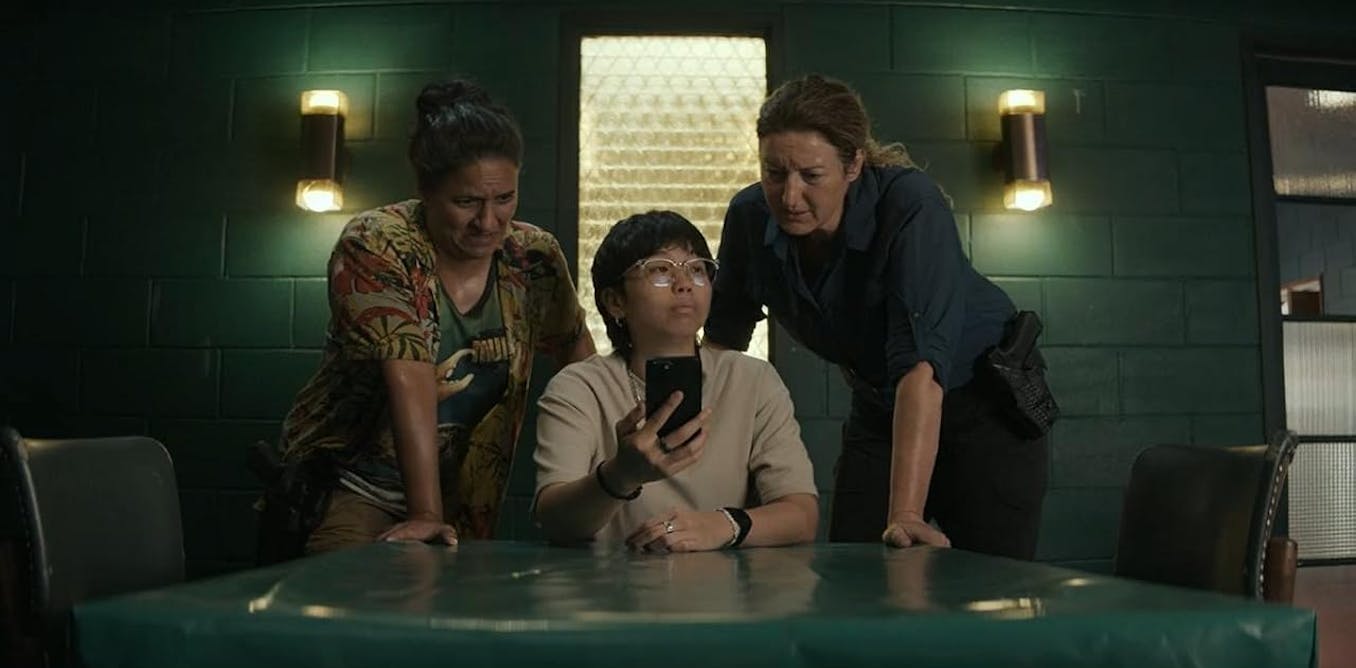
There’s also the effect of cultural tourism, as fans seek out the filming locations of their favourite films and shows. One example is comedy-crime series Deadloch (2023–), which has Tasmania’s local festival and foodie culture baked into its first season.
Deadloch was shot in southern Tasmania and reached Amazon Prime’s top 10 in 165 countries. The Hollywood Reporter attributed the show’s “breakout international success” to its clever parody of Scandi Noir and and incorporation of Tasmanian themes.
Then there are productions such as Little J & Big Cuz (2017–), which bring the distinctive and important perspectives of Indigenous Tasmanians to the screen. This animated kids’ series has won multiple awards, including most outstanding children’s program at the 2018 TV Logies.
Where to next?
Having an overall successful screen sector in Australia requires having state-level incentives as part of the funding mix. So the health of individual state bodies is important.
State and territory screen bodies provide targeted regional knowledge and assistance. They should, ideally, serve as an ally and advocate for local creatives, as well as a funding source. As Shaun Wilson of the Tasmanian Filmmakers Alliance reiterates, an effective screen body actively pursues local production and builds collaborative relationships.
With a wealth of local talent, and a track record of commercial and critical success, Tasmania’s anxious screen industry is left scratching its head at the state government’s recent changes.
What matters now is how the restructured Screen Tasmania responds. Continued state funding will be important to retaining the region’s unique cultural voices and industry growth, and keeping local creatives working within the state.