
This development potentially paves the way for more personalised treatments in future.
The study, published today in Circulation and funded by the Medical Research Council (MRC), was led by the University of Oxford.
HyperScore
The team developed an artificial intelligence (AI)-derived score, called ‘HyperScore’, designed to estimate the extent of damage caused by high blood pressure across multiple organs before any major cardiovascular event.
They discovered that there appear to be six distinct patterns, or ‘HyperTrajectories’, of hypertension-related disease that people develop, with some groups showing predominantly heart, brain, vascular, kidney or metabolic changes.
While clinically the focus remains only on blood pressure readings, the researchers combined hundreds of measures to build a broader picture of hypertension-related organ damage including:
- heart scans
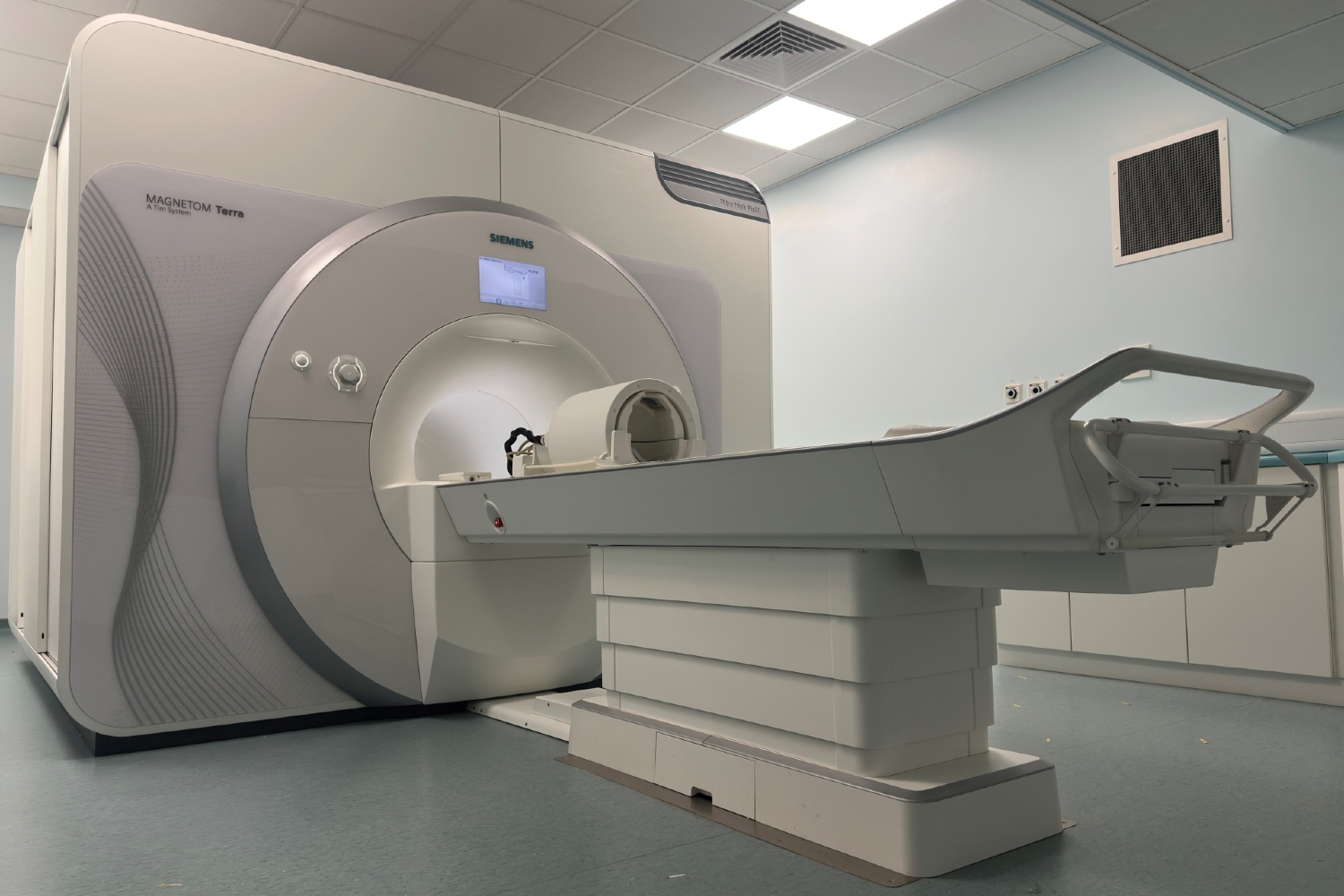
- brain MRI
- blood vessels
- kidneys
- liver
- body composition
- blood tests
The researchers found that people with higher HyperScores were more likely to experience future cardiovascular problems, even when blood pressure readings alone did not fully distinguish risk.
Tailored treatments
Jill Jones, Head of Global Health Strategy at MRC, said:
This important study demonstrates the value of integrating data across multiple organ systems using advanced machine learning approaches.
While further research is needed to bring these techniques to the clinic, this work represents a meaningful step towards one of MRC’s key ambitions, enabling earlier identification of disease to support more timely and personalised intervention.
Using AI
Dr Mohanad Alkhodari, first author of the study and a current visiting researcher at the Radcliffe Department of Medicine’s Clinical Cardiovascular Research Facility, said:
High blood pressure affects people very differently.
Some individuals develop significant damage to the heart, brain or kidneys even when blood pressure is only mildly elevated, while others appear relatively protected despite longstanding hypertension.
Our findings suggest that AI methods may help us move beyond treating hypertension based purely on blood pressure numbers, towards a more personalised understanding of how the disease affects the body.
Identifying risk
Experts used machine learning to analyse imaging and clinical data from more than 27,000 UK Biobank participants.
This was alongside external validation in a further 5,500 participants from the US-based Atherosclerosis Risk in Communities study.
The researchers say the work could eventually support earlier identification of people who are starting to develop problems that could lead to stroke, heart failure or kidney disease.
The approach could also be used to help develop new and more personalised treatments.
However, they caution that the approach is still at an early stage and is not yet ready for routine clinical use.
Hidden health impacts
Professor Paul Leeson, Professor of Cardiovascular Medicine and senior author from the University of Oxford’s Radcliffe Department of Medicine said:
This study shows the potential of combining AI with multi-organ imaging to better understand the hidden effects of hypertension and how they vary between different people.
What we have shown is that these computational approaches can uncover patterns of organ damage that are difficult to detect using blood pressure measurements alone.
Significance of brain changes
The study also found that brain changes detected on MRI scans were among the strongest indicators associated with hypertension-related damage.
Dr Winok Lapidaire, co-first author of the study from the University of Oxford’s Radcliffe Department of Medicine, said:
This reinforces growing evidence that high blood pressure can affect the brain long before symptoms appear.
Our preliminary follow-on research suggests that simpler clinical tests, such as ECGs or routine health measurements, could eventually provide similar insights without the need for extensive imaging.
This research was also supported by the National Institute for Health and Care Research Biomedical Research Centre: Oxford, and the British Heart Foundation.