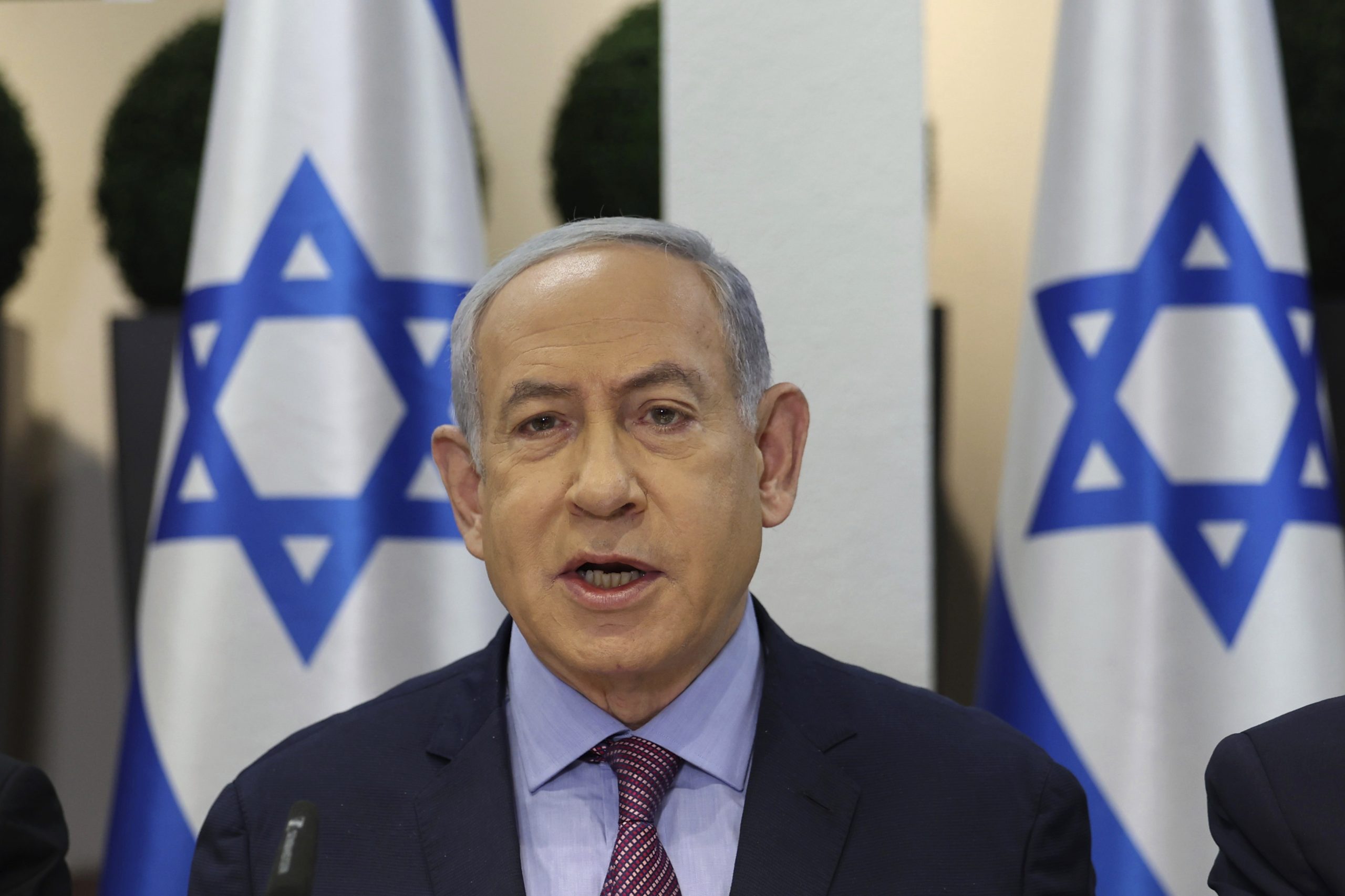
JERUSALEM — In a move that cements the Eastern Mediterranean’s shift into a global energy hub, the Israeli government has officially ratified a historic $35 billion natural gas supply agreement with Egypt.1 Announced by Prime Minister Benjamin Netanyahu on Wednesday, the deal represents the largest export contract in Israel’s history, promising a decade and a half of deepened economic and strategic ties between the two neighbors.2
The agreement authorizes the export of 130 billion cubic meters (bcm) of natural gas from the massive offshore Leviathan field to Egypt over the next 15 years.3 This expansion of the 2019 energy framework is expected to funnel approximately $18 billion (NIS 58 billion) directly into the Israeli state treasury, providing a significant boost to public infrastructure and security funding.4
Breaking the Diplomatic Deadlock
While a commercial pact was initially reached in August 2025, the deal had been mired in a three-month freeze by Tel Aviv. Prime Minister Netanyahu and Energy Minister Eli Cohen had previously stalled the approval, citing concerns over domestic pricing and alleged 1979 peace treaty violations involving Egyptian military deployments in the Sinai Peninsula.5
The resolution followed intense diplomatic maneuvering and reported pressure from Washington.6 “The deal was approved after I secured our vital security interests,” Netanyahu stated in a televised address, emphasizing that the contract also guarantees “favorable prices” for Israeli domestic consumers before exports are prioritized.7
Strategic Implications for the Region
For Cairo, the deal serves as a critical lifeline. Despite once being a self-sufficient producer, Egypt has faced a widening energy deficit due to declining output from its flagship Zohr field.8 The Israeli supply will help stabilize Egypt’s domestic power grid and support its ambition to remain a regional hub for Liquefied Natural Gas (LNG) processing and re-export to Europe.9
- Operator: U.S. energy giant Chevron, alongside Israeli partners NewMed Energy and Ratio.10
- Infrastructure: Pumping will utilize existing pipelines, with plans for a new cross-border line via Nitzana to increase capacity by 2026.11
- Economic Impact: Israel’s position as a regional “energy superpower” is bolstered, while Egypt secures long-term energy security amidst a volatile global market.12
Despite the geopolitical tensions surrounding the ongoing conflict in Gaza, both nations have characterized the pact as a “purely commercial” necessity.13 This pragmatic approach highlights a shared recognition that energy cooperation remains the most durable pillar of the 1979 peace accord.